Who put Bella in the Wych Elm?
Now, dear reader, I am rather fond of badgers. Well, the one that went mental and trashed my garden I can take or leave. But on the whole, I think they are rather homely, pleasant, if slightly dopey, animals.
There is a country pub not far from where I sit called the Badgers Sett. It, too, is homely and pleasant, the ideal place to settle down with a toothsome brew. It does, however, have another reputation. A woman’s apparition is said to linger in the bar and cellar. They call her Bella, after the woman whose remains were found in a nearby wood. But more on that later.
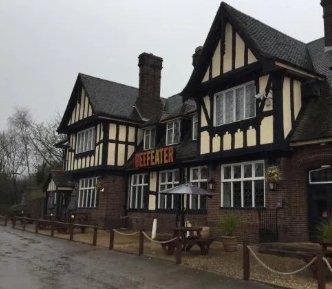
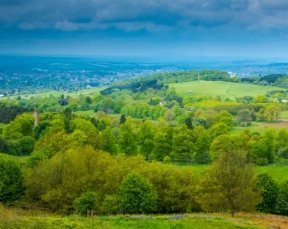
The Badgers Sett stands on the site of an earlier inn called the Gypsy’s Tent, on the A456 at the Hagley Causeway, on the northern edge of the Clent Hills. Bella has some company; the shade of a cavalier has been seen crossing the highway by shocked motorists at dusk, and a terrifying ghostly grey mass has been witnessed lurking at the side of the road.
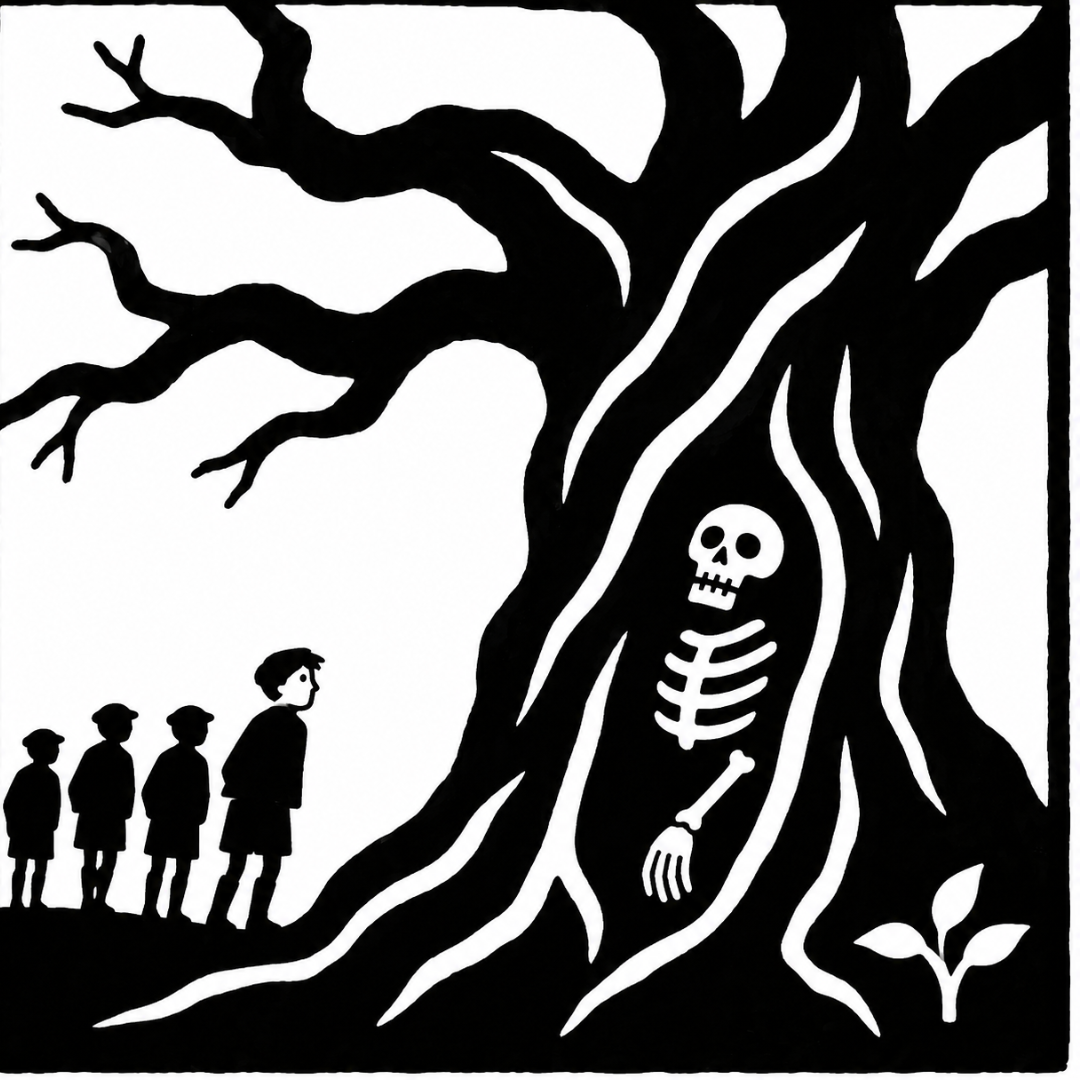
But this is Bella’s story, and it begins in Hagley Wood, just east of the Badgers Sett. On 18 April 1943, four boys were out looking for birds’ nests, just the sort of scampish behaviour one might expect from a group of Midlands lads with time on their hands. As they explored, they stumbled upon a woman’s remains concealed inside the hollow trunk of a wych elm. It must have given them the fright of their lives.
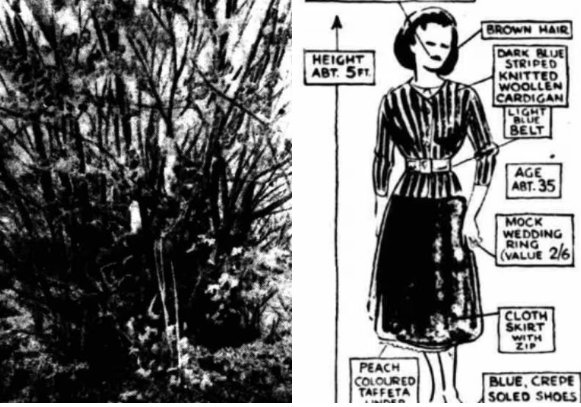
The police recovered a wedding ring, a pair of shoes and fragments of clothing. The pathologist, Professor James Webster, estimated that the woman was about 35 years old and roughly five feet tall. He believed she had been dead for between eighteen months and two years. He thought she might have been suffocated and that she had been placed in the tree feet first.
Despite a thorough investigation, the woman was never identified and nobody was charged in connection with her death. The name Bella came from anonymous chalk messages that began appearing on walls around the West Midlands during the war. The wording varied, but the question that stuck was ‘Who put Bella in the wych elm?’
One explanation put forward was that Bella had been the victim of a witch cult. Some of her finger bones were found apart from the rest of her remains, fuelling speculation about a ritual killing. The Worcestershire archives record this as one of several theories that grew up around the discovery.
Another theory held that Bella was a Dutch woman connected to a pro-German spy ring thought to have been active in the West Midlands. In one version of the story, she was killed because she knew too much about the group, which had allegedly been passing information about local munitions and aircraft factories to Germany.
In 1953, a woman calling herself ‘Anna’ wrote to Wilfred Byford-Jones, a journalist with the Express & Star. She was later identified as Una Mossop. She claimed that Bella had entered Britain illegally around 1941. She implicated a Dutchman she called Van Ralt and said that her former husband, Jack Mossop, had been present when the woman was put in the tree. The police looked into her story, but it failed to establish who Bella was or who had put her there.
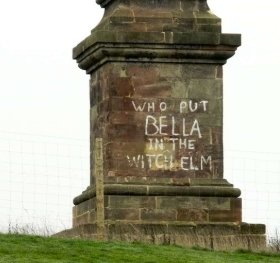
By August 1999, the question had been painted on the Hagley Obelisk on nearby Wychbury Hill. This time it read ‘Who put Bella in the Witch Elm?’ More than eighty years after the discovery, we are still waiting for an answer.
If this tale has whetted your appetite, dear reader, there’s plenty more to discover here at Fireside Folklore Blog. It is archive to hundreds of eerie tales and strange pieces of folklore from across Britain and Ireland, from restless ghosts and murderous hags to goblins who are an absolute nuisance.
So pour yourself a cup of tea, pull up a chair and have a rummage through the archives. Who knows what might be lurking in the folklore of your own corner of the country?
NEW BOOK ALERT
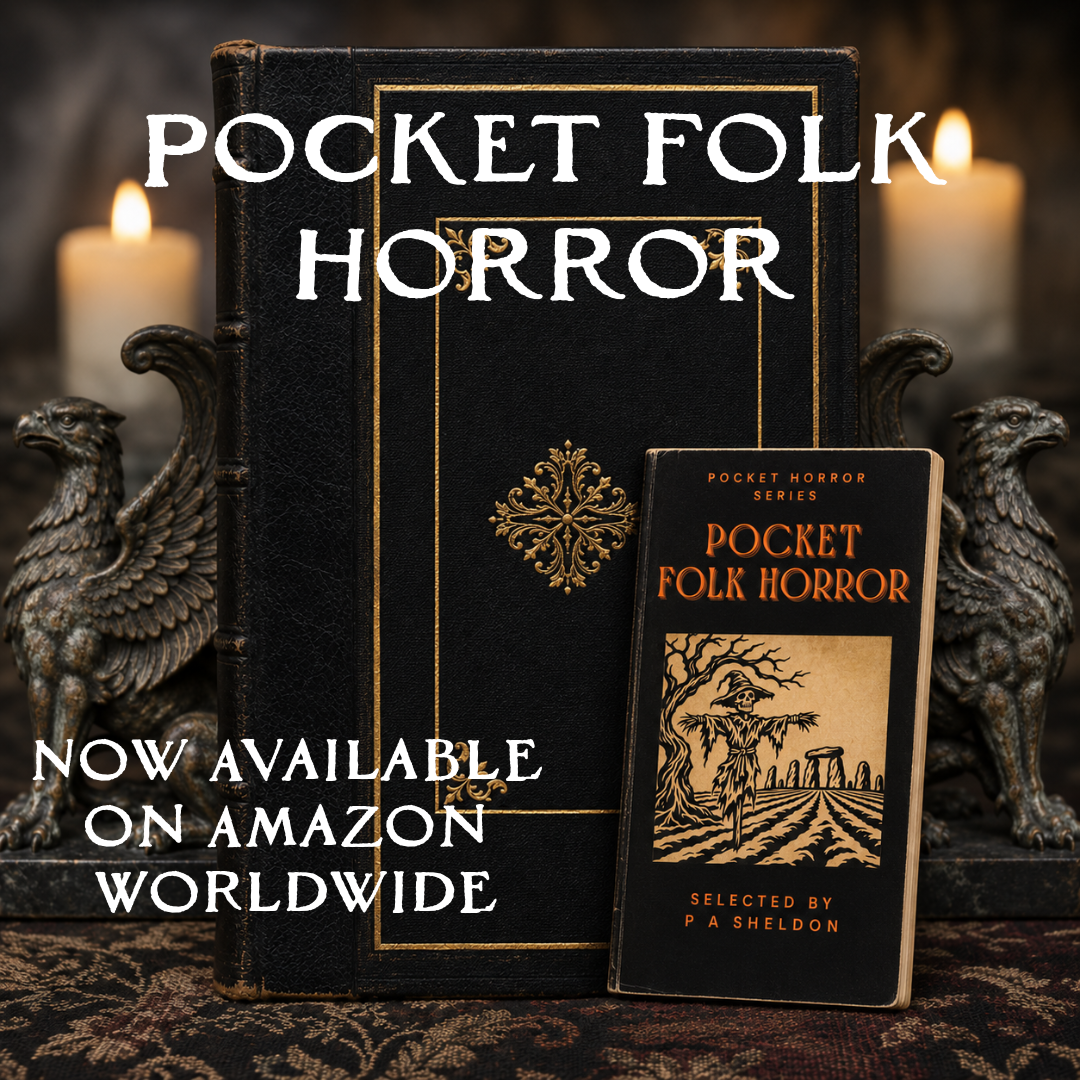
Thank you for taking the time to read my blog. If you enjoy tales of the strange and the unknown, why not pick up a copy of my new anthology, Pocket Folk Horror?
It’s chock-full of rural spookiness, with classic tales from M. R. James, Eleanor Scott and Saki, to name just a few. I’ve even tucked in a tale of my own.
Pocket Folk Horror is available on Amazon in Kindle and paperback editions.
Links to the book can be found in the Shop section of this website.
Source
Wikipedia
The Black Country Bugle
The Express and Star
Beer and Spirits: A Guide to Haunted Pubs in the Black Country. By David Taylor and Andrew Homer.