Ded Moroz - The Slavic Spirit of Winter
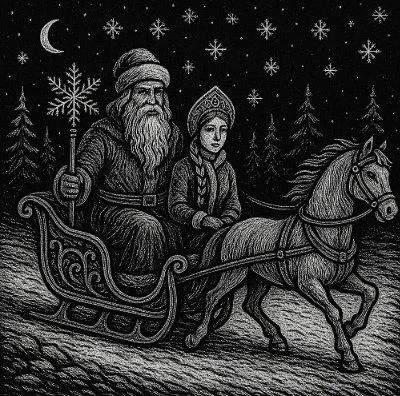
Ded Moroz, the Slavic Frost Bringer from Eastern European winter folklore.
As the New Year approaches in the East the biting winds gust from the north, guaranteeing snow and ice. In years gone by, the common folk of the Slavic lands had little understanding of the complexities of the weather, but they understood one thing: this harsh climate was brought about by a single being. An entity who embodied everything winter represented - mystery, wonder, and danger - a being known as Ded Moroz.
In Russian, Ded Moroz means Grandfather Frost or Old Man Frost. He is the very spirit of winter, and in darker, older times he was likely seen as a sinister figure - a kind of midwinter demon, a bringer of snow and icy storms. He was said to be capable of ripping the leaves from the trees, leaving them as nothing more than skeletal appendages clawing at the sky. He was believed to abduct children who wandered alone into the snow, and in early folklore he was regarded as a terrible being, akin to a frost giant or ogre.
But then something changed.
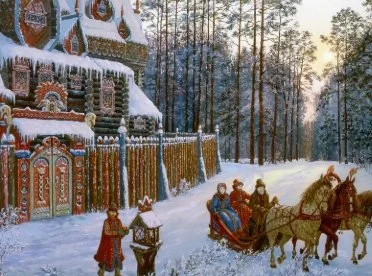
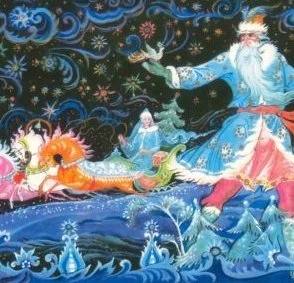
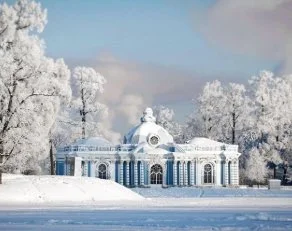
As the centuries passed, Ded Moroz grew softer. His sharp angles became rounded and smooth, until eventually he transformed into a figure beloved by children: a gift-giver, a white-bearded gentleman clad in thick, colourful winter robes, who rides across the snowy landscape in a sleigh on New Year’s Eve, handing out presents to deserving children. In many ways, he fulfils the role of Santa Claus.
In modern depictions, Ded Moroz is usually shown as a tall, bearded old man wearing long winter robes in shades of blue, red, silver, or white. He carries a staff made of ice and bears a magical sack of gifts over his shoulder. Today, he is a symbol of winter joy, festivity, and generosity. He is accompanied on his journey by his granddaughter, Snegurochka (the Snow Maiden), a unique figure in seasonal folklore - a magical young woman created from snow.
It is thought that modern literature played a large role in softening Ded Moroz’s image, with the 19th-century play The Snow Maiden by Aleksandr Ostrovsky being particularly influential. By the end of that century, Ded Moroz had become the popular, jolly character we recognise today, and his family-friendly image gradually spread throughout other Slavic regions. Around this time, the tradition of children writing letters to Ded Moroz also began to take hold.
Although his tradition was discouraged during the communist era, the old fellow proved too beloved to be suppressed. By the late 1990s, the town of Veliky Ustyug in Vologda Oblast, Russia, was officially declared the home of Ded Moroz by the Mayor of Moscow. An incredible two million letters a year were soon being received from excited children at its extremely busy post office. The town has also been visited by the President of the Russian Federation as part of the Russian Orthodox Christmas Eve celebrations.
Unlike Santa Claus, Ded Moroz is not clandestine. Rather than slipping quietly down the chimney, delivering gifts unseen and departing unnoticed, this jovial winter figure openly knocks at the door and is invited inside, where he personally hands out presents to over-excited children.
He features prominently at New Year parties, school celebrations, and public Yolka (New Year tree) events. His magical staff is said to create snow, form frosty patterns on windows, or freeze water for ice skating. He travels by troika — in this case, a sleigh pulled by a team of three horses. In some instances, it is his granddaughter who distributes the presents, and she is occasionally called upon to drive away the witch Baba Yaga, who attempts to sneak in and steal them.
There are many regional variations of Ded Moroz, but one thing remains true: this once-terrifying winter spirit has become a much-loved feature of the festive season.
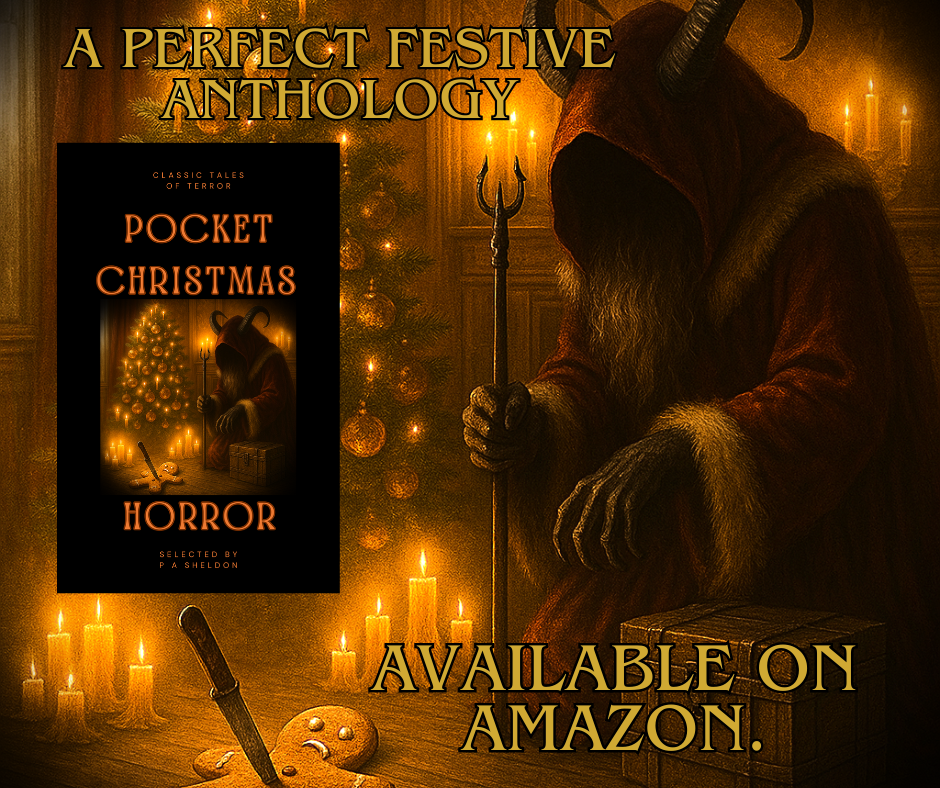
Thank you for taking the time to read my blog. I hope you enjoyed this small piece of New Year folklore. If you enjoy my work, please consider picking up a copy of the anthology book, Pocket Christmas Horror - full of seasonal horror stories from the great writers of old. link below.
Alternatively, there are plenty of free written and audio stories by yours truly available in the download section of this website.
Until next week — stay spooky.
Sources:
Wikipedia
Ancient-Origins.net
RussianLife.com