Herne the Hunter: The Ghostly Legend of Windsor Great Park
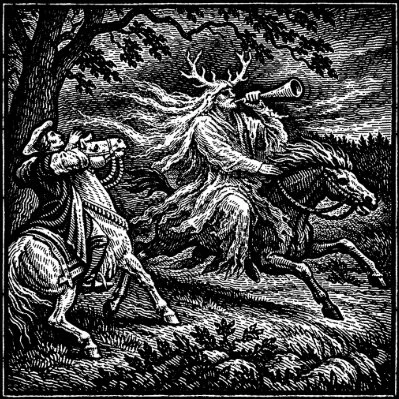
Herne the Hunter. Reader feel free to insert horn joke at your leisure.
The county of Berkshire, officially known as the Royal County of Berkshire, is located in the south-east of England, just west of the capital city of London. Beautiful chalk downland makes up parts of its western reaches, while along its southern border with the county of Surrey lies a place once known as Windsor Forest, now called Windsor Great Park. A place with a haunting mystery.
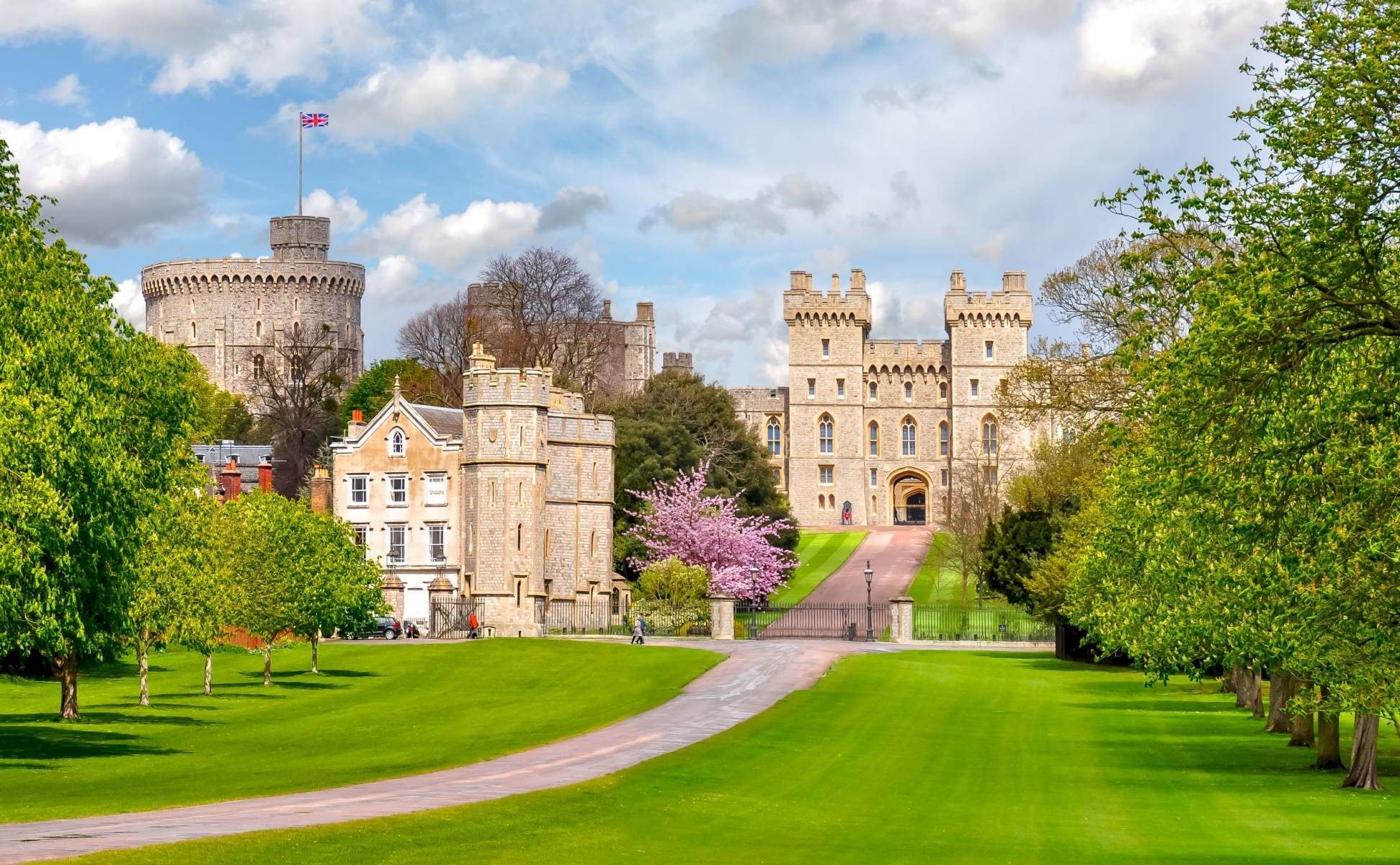
Windsor Great Park is a Royal Park and, for many centuries, served as the private hunting ground of Windsor Castle. Today, it is a gently undulating landscape of sweeping deer lawns, small woods, coverts, and areas dominated by ancient oak trees. In the past, however, it was more heavily forested, wilder, perhaps even more sinister - and said by some to be home to a legendary ghost.
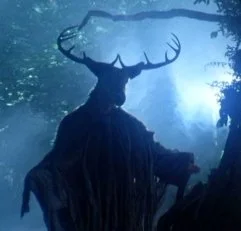
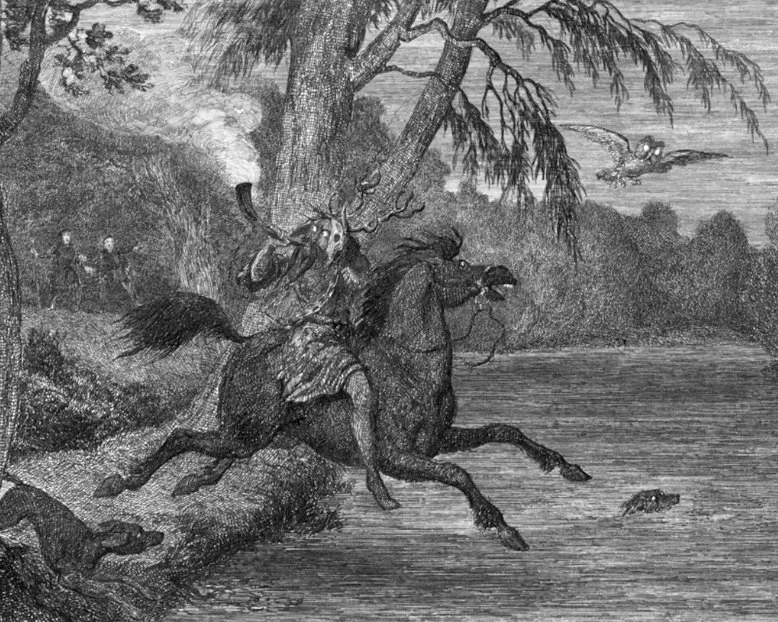
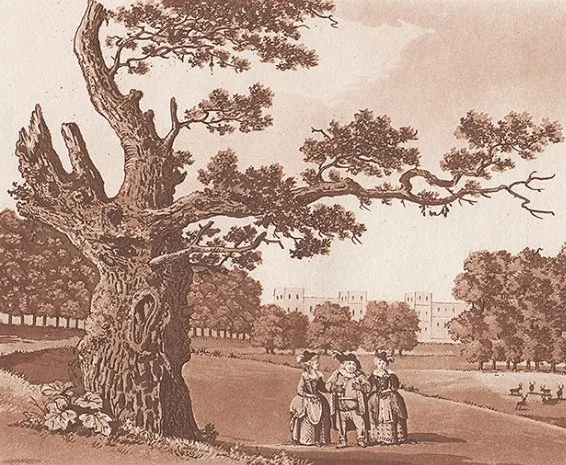
Herne the Hunter is a terrifying sight. His spectral form is said to ride through the parkland on a phantom steed, antlers sprouting from his head like those of some prehistoric deity. He is believed to torment cattle, while the rattling of his chains can be heard echoing through the lush woodland.
The earliest literary reference to Herne comes from William Shakespeare’s The Merry Wives of Windsor, written in 1597. The Bard describes the woodland spectre as follows:
There is an old tale goes, that Herne the Hunter
(sometime a keeper here in Windsor Forest)
Doth all the winter-time, at still midnight
Walk round about an oak, with great ragg'd horns;
And there he blasts the tree, and takes the cattle,
And makes milch-kine yield blood, and shakes a chain
In a most hideous and dreadful manner.
You have heard of such a spirit, and well you know
The superstitious idle-headed eld
Receiv'd, and did deliver to our age
This tale of Herne the Hunter for a truth.
- William Shakespeare, The Merry Wives of Windsor, Act IV, Scene IV
It has been suggested that this passage implies Herne was already an established folk legend by Shakespeare’s time, as he is treated as a well-known ghost story familiar to the audience. Nearly two hundred years later, in 1792, Samuel Ireland expanded on the legend:
The story of this Herne, who was keeper in the forest in the time of Elizabeth, runs thus: — That having committed some great offence, for which he feared to lose his situation and fall into disgrace, he was induced to hang himself on this tree.
The idea of suicide aligns with the traditional belief that such a death would result in a restless spirit. Shakespeare’s reference to rattling chains is also a common ghostly motif.
The supposed location of Herne’s Oak, the tree where he is believed to have ended his life, was uncertain for many years and the subject of much speculation. An oak just north of Frogmore House in the Home Park was eventually named Herne’s Oak, but it was felled in 1796. In 1838, Queen Victoria had another tree planted and gave it the same name; however, this too was blown down in a storm nearly thirty years later. The current oak bearing the title was planted in 1906.
Herne’s horns are a much-discussed feature of the legend, as they are an unusual addition to a ghostly figure. Some have suggested they link him to ancient pagan horned gods of nature, such as Cernunnos, or to other folkloric figures like the Green Man, though some academics dispute this theory.
Another idea is that the horns were Shakespeare’s invention, added to better suit the forest setting or to evoke the humorous image of antlers resembling a cuckold’s horns - a visual joke that would have resonated with an Elizabethan audience. Later versions of the legend also claim that Herne leads the Wild Hunt on certain wild nights of the year.
Supposed Sightings
The most recent recorded sighting of Herne occurred in 1976, when a guard reported seeing what he initially believed to be a horned statue walking through the parkland. He was also supposedly seen by a group of Eton schoolboys in the woods in 1962. After discovering an old hunting horn, they unwisely blew upon it and were chased from the area by Herne himself, mounted upon his steed. Herne is also said to appear as an omen before a royal death.
Herne has featured in many books and television shows, such as The Box of Delights by John Masefield and an old favourite of mine, Robin of Sherwood, where he takes on the role of mentor and guide to Robin of Loxley.
Does the ghost of Herne the Hunter still ride through Windsor Great Park, his steed bounding across that ancient and noble parkland, terrifying unsuspecting ramblers? I cannot say - but I like to imagine that he does.
Thank you for taking the time to read my blog. I hope you enjoyed this piece of folklore. If you did, please consider picking up a copy of either of my books, Threads of Shadow or Fireside Horror - terrifying folk novels told through short stories. Available from all Amazon stores. A link can be found below.
‘Exceptional folkloric horror’
★★★★★
Sharon Joy Reads.
Alternatively, there are plenty of free stories, written by yours truly, available in the download section of this website.
Stay Spooky.
Sources
Wikipedia
Berkshirelive
The Merry Wives of Windsor by William Shakespeare (1597)
countryfile.com