Know Your Goblins – The Pwca: The Mischievous Welsh Goblin.
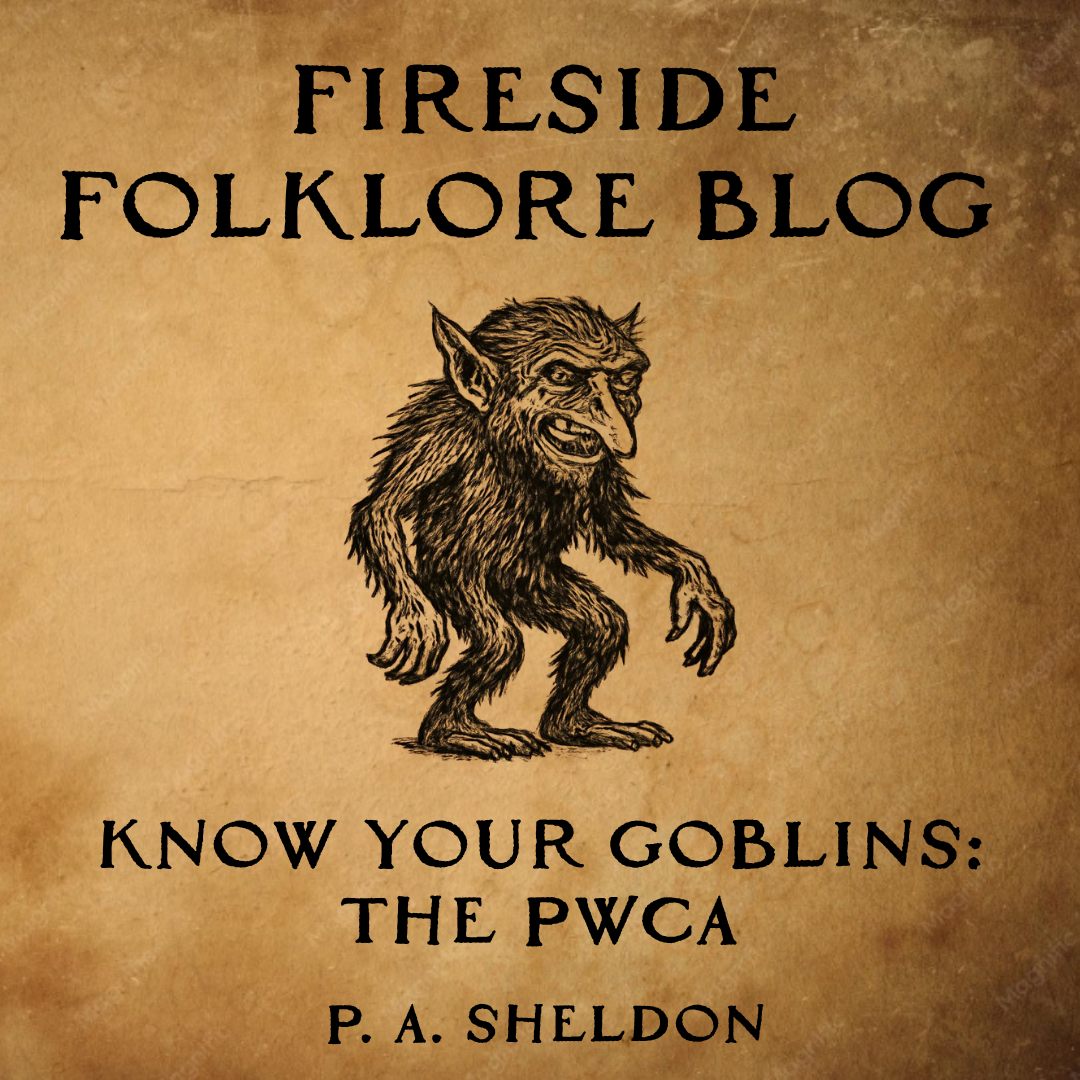
“Gord blimey, what is that?
Why is it looking at me like that?
Get it off me blumin’ shoe!”
Once more, my keen ears detect a cry for help, and as ever, I am quite prepared to step forward and aid those in distress. With tentative fingers, I reach for an old dusty tome that has lain untouched for far too long, as I prepare to assist some poor reader who is in desperate need of help to “know their goblins.”
Today, I venture into that myth-shrouded region of the British Isles known as Wales. A small country, but one with an unusually large goblin problem. Why should this be so? I cannot say! Perhaps they simply have a particular fondness for Bara Brith!
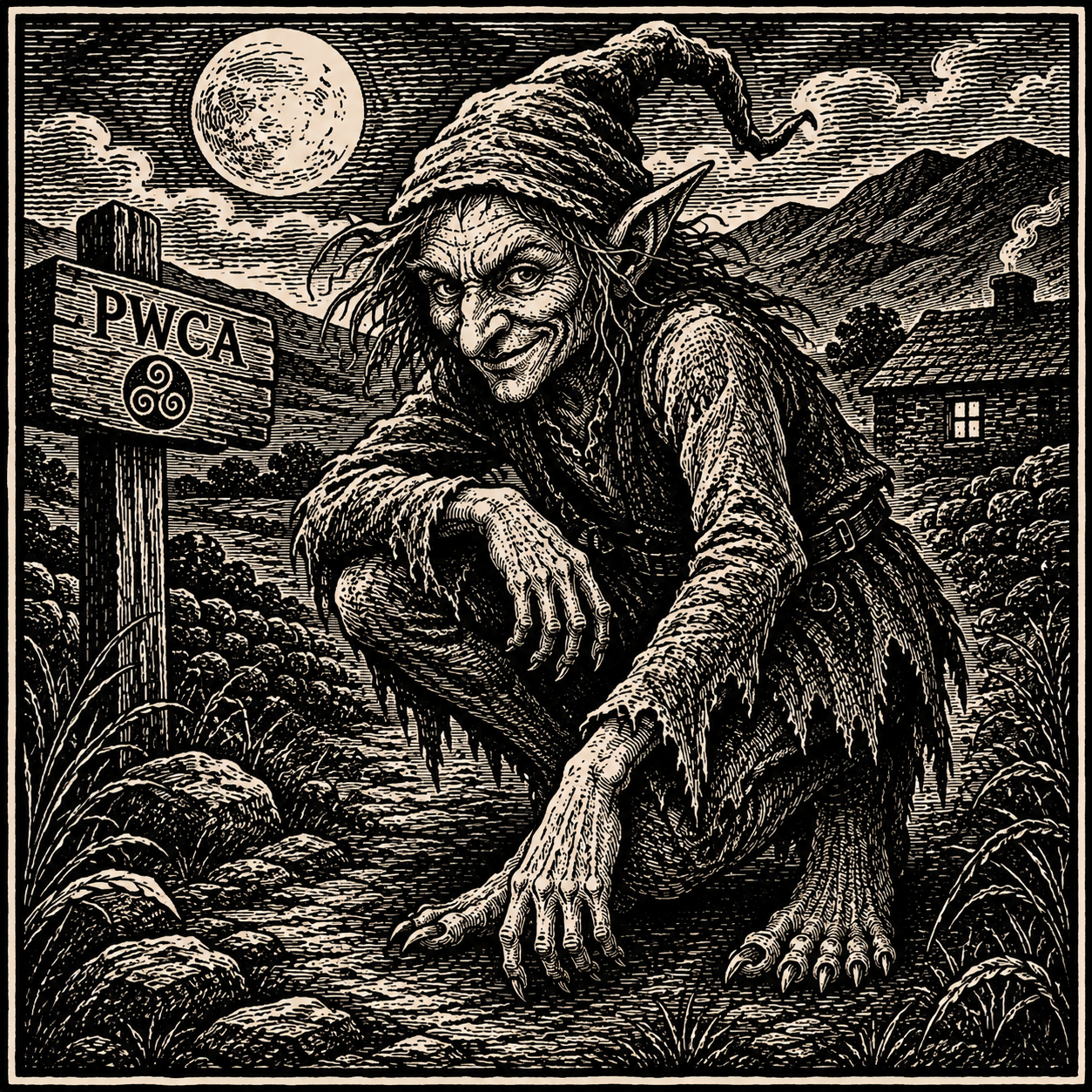
The Pwca (also spelled Puca or Pooka) is an unpredictable little chap, but also a fascinating one. Treat one with respect and it may reward you with kindness and generosity. However, should you be rude, arrogant, or foolish enough to offend it, prepare yourself for a world of trouble. The Pwca is more than capable of making your life a living nightmare.
Be warned.
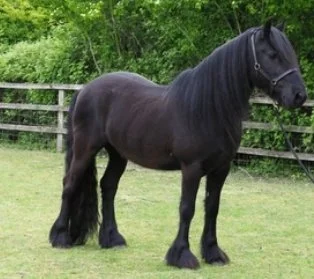
Your first problem lies in identifying this potential troublemaker. The Pwca is a shapeshifter with no fixed form. Witnesses have claimed that it can appear as a shaggy goat, a hare, a dog, or a raven. Sometimes it takes the form of a magnificent black horse with glowing eyes.
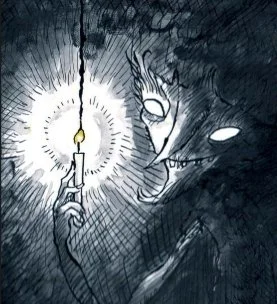
Perhaps the most unsettling shape it can assume, however, is that of a human. There is something not quite right about it in this form—something slightly unnatural that leaves those who encounter it feeling uneasy. Perhaps it is the wild hair, the unsettling smile, or simply the strange manner in which it behaves.
One tale of the Pwca tells of a man returning home one evening who encountered a beautiful mare standing alone by the roadside. With no saddle or harness, he thought the discovery of an unclaimed horse was an extraordinary stroke of good fortune. He climbed onto the creature's back, intending to ride it home.
This was a mistake.
The moment he was seated, the beast sprang into motion. Across fields, over hills, and through rivers it galloped at an impossible speed, completely ignoring the man's desperate attempts to control it. Finally, after a terrifying journey, the creature let out a dreadful cackle of laughter before skidding to a halt and throwing its unfortunate rider into a muddy puddle.
The Pwca's tricks extend far beyond these wild rides. They include tangling horses' manes, spoiling milk—an old goblin favourite—mimicking voices in the mist to lure people into lonely places, and that timeless prank beloved by schoolboys throughout the ages: knocking on a stranger's door and running away before anyone answers.
To be fair to the Pwca, most of these tricks are relatively harmless and leave no lasting damage.
If a Pwca takes a liking to you, however, it may prove a valuable companion. Some tales claim they will help with farm work during the night, offer wise counsel to those in need, and occasionally even reveal the location of hidden treasure.
So, you can see, it may be worthwhile trying to remain on its good side.
One way to please these unpredictable little troublemakers was to leave the final sheaf of corn standing in a field at harvest time. In some Welsh villages, this offering was believed to satisfy the Pwca and encourage it to use its influence to ensure a successful harvest the following year.
So, my good friend, my advice is simple: show kindness, charity, and above all, respect when dealing with these curious Welsh goblins. Nobody likes to have their milk soured, their horses' manes tangled, or their peaceful evenings interrupted by a mysterious knocking at the door.
Besides, you never know...
That strange little creature lurking at the edge of the mist might just lead you to hidden treasure.
Thank you for taking the time to read my blog. If you enjoy tales of the strange and the unknown, please consider delving into my horror trilogy, The Wendlelow Mysteries. It tells the story of a haunted town and the people—and things—that call it home, unfolding across twenty-seven interconnected stories that reveal both the town's origins and its ultimate fate.
Links to the books can be found in the Shop section of this website.
Until next time, my friend.
Stay Spooky.
Sources
Wikipedia
Marie Trevelyan, Folk-Lore and Folk-Stories of Wales (1909).