The Morrígan: Ireland's Phantom Queen of Battle
Celtic mythology is filled with unforgettable characters. There are heroes, mighty warriors who perform epic deeds that echo through history; powerful wizards who seem able to bend reality to their will; and mighty gods, some wise and benevolent, others possessing a darker nature and delighting in war and death. Sadly, today, my friend, I shall be writing about the latter—a sinister goddess whose exploits have ensured that she is still remembered today.
I speak of the Morrígan, the Irish goddess of battle. She was a complex deity associated with war, prophecy, sovereignty and transformation. Feared by warriors and kings alike, it was said that wherever she trod, bloodshed was sure to follow.
The name Morrígan is often translated as "The Great Queen", from the Old Irish elements mór ("great") and rígan ("queen"). However, some scholars argue that her name is better understood as "The Phantom Queen", reflecting her spectral nature as a supernatural figure who haunted battlefields.
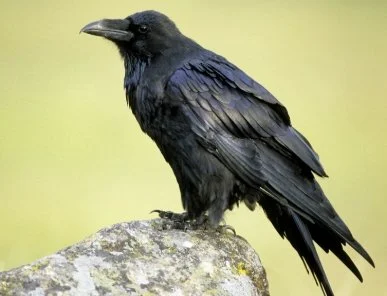
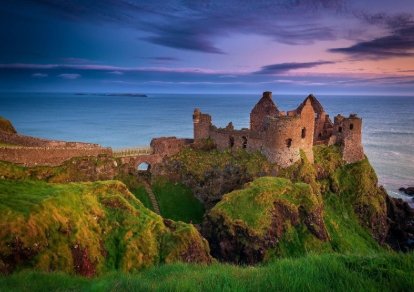
She was believed to be one of the Tuatha Dé Danann, the supernatural race who ruled Ireland before the arrival of mortal men. The Morrígan was also regarded as a sovereignty goddess. In this role, she represented the land of Ireland itself, and a ruler's right to govern was symbolically linked to her favour.
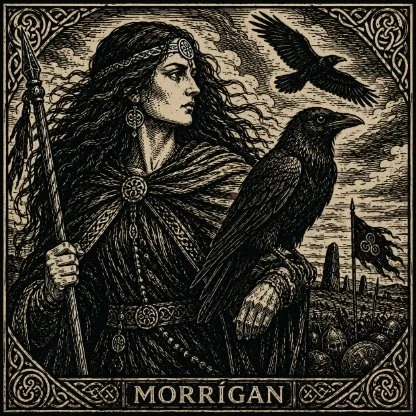
Modern depictions usually portray the Morrígan as a dark-haired goddess of war, accompanied by a single raven or a flock of ravens. Earlier traditions, however, paint a far more complex picture. She was a shape-shifter, appearing not only as a beautiful woman but also as a crow, a wolf or even an eel.
In some traditions she is not a single goddess at all, but part of a triple goddess made up of three sisters, each embodying a different aspect of her power:
Badb – associated with ravens, slaughter and the frenzy of battle.
Macha – linked with kingship, horses and warfare.
Nemain – the embodiment of panic, terror and confusion in battle.
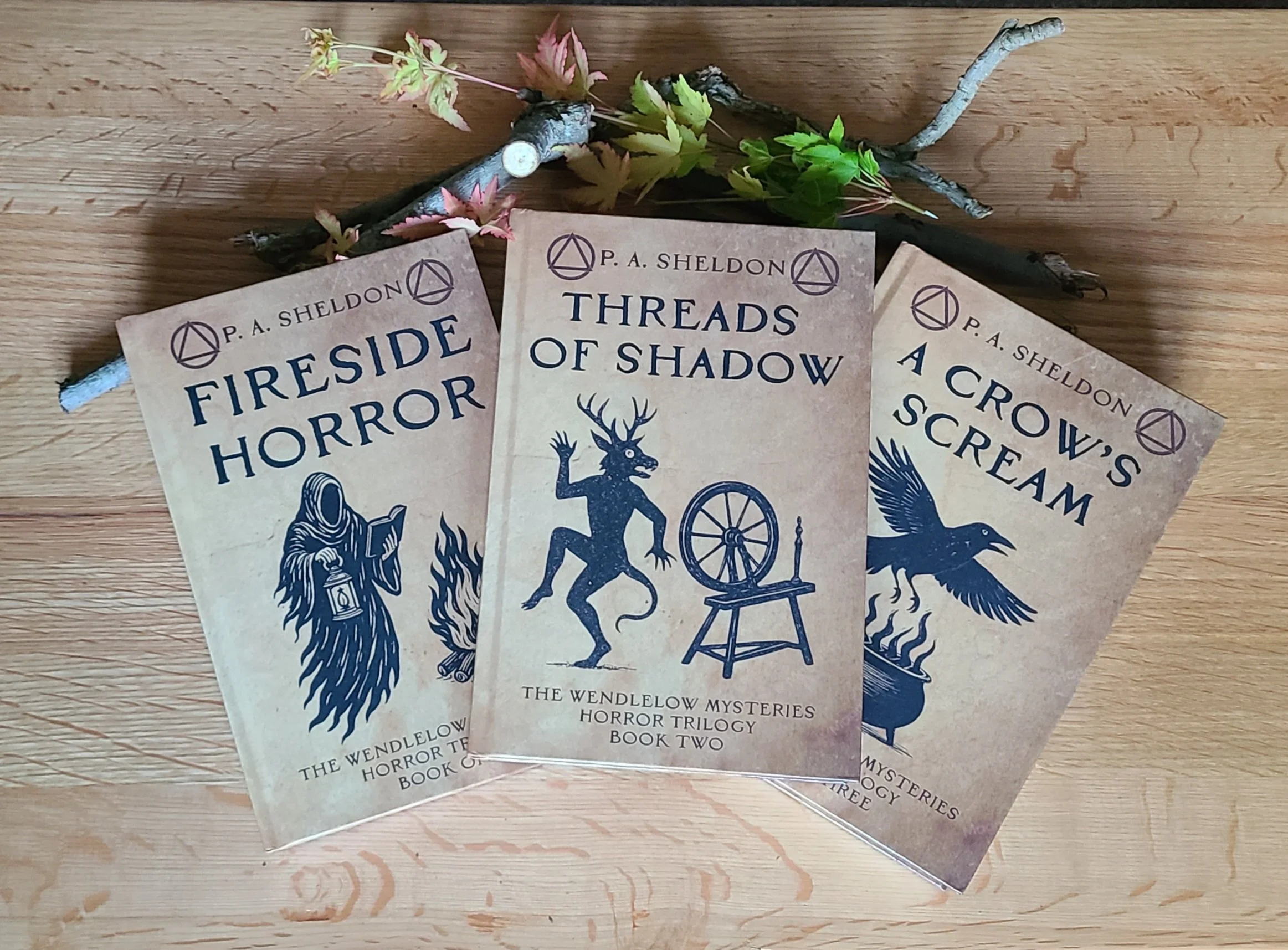
The Wendlelow Mysteries Folk Horror Trilogy.
Available on Amazon.
The Morrígan was also said to appear before battles, washing the bloodstained clothing of those destined to die that day.
The goddess plays an important role in the Táin Bó Regamna ("The Cattle Raid of Regamna"), where she first encounters the great hero Cú Chulainn. Their meeting centres on a dispute involving a mysterious heifer, during which Cú Chulainn unknowingly challenges the goddess before she reveals her true identity.
Their most famous encounter takes place later in the Táin Bó Cúailnge ("The Cattle Raid of Cooley"). Disguised as a beautiful young woman, the Morrígan offers Cú Chulainn both her love and her aid in battle. Proud and dismissive, he rejects her advances, prompting the goddess to vow that she will oppose him throughout the coming conflict.
True to her word, the Morrígan repeatedly attempts to hinder the young hero during battle. She transforms herself into an eel to trip him as he crosses a ford, a wolf to stampede cattle against him, and finally a heifer leading a charging herd. Each time, however, Cú Chulainn wounds the creature without realising it is the goddess herself., only serving to anger her further.
Later, she disguises herself as an old woman milking a cow. When Cú Chulainn encounters her in this guise, he unknowingly blesses her as he drinks the milk she offers him, miraculously healing the wounds he had previously inflicted upon her.
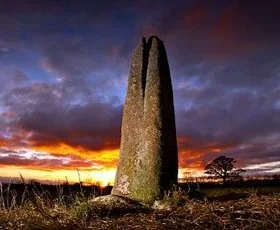
Like so many great heroes of legend, Cú Chulainn ultimately dies in battle. Although he defeats enemy after enemy, the wounds he receives gradually take their toll. Determined to meet death standing, he ties himself to a standing stone with his own belt. Terrified that the mighty warrior may still be alive, none of his enemies dares approach him. Only when a raven lands upon his shoulder do they realise that he has passed.
The raven is the Morrígan.
By settling upon his shoulder, she fulfils her role as the goddess who marks those destined to fall in battle.
Unlike some other Celtic deities, there is relatively little evidence of widespread formal worship of the Morrígan. However, her repeated appearances throughout medieval Irish literature suggest that she was an immensely important figure in early Irish belief.
So watch the skies, and beware the ravens, for they may herald the arrival of a very dark and tempestuous goddess.
Thank you for taking the time to read my blog. If you enjoy tales of the strange and the unknown, please consider delving into my horror trilogy, The Wendlelow Mysteries. It tells the story of a haunted town and the people—and things—that call it home, unfolding across twenty-seven interconnected stories that reveal both the town's origins and its ultimate fate. Links to the books can be found in the Shop section of this website.
Until next time, my friend.
Stay Spooky.