Robin Hood and Sherwood Forest: The Legend
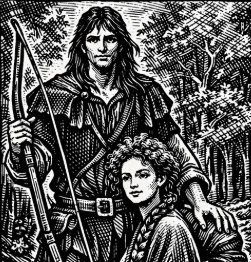
Robin Hood & Maid Marian. The other merry men can be seen hiding in the trees.
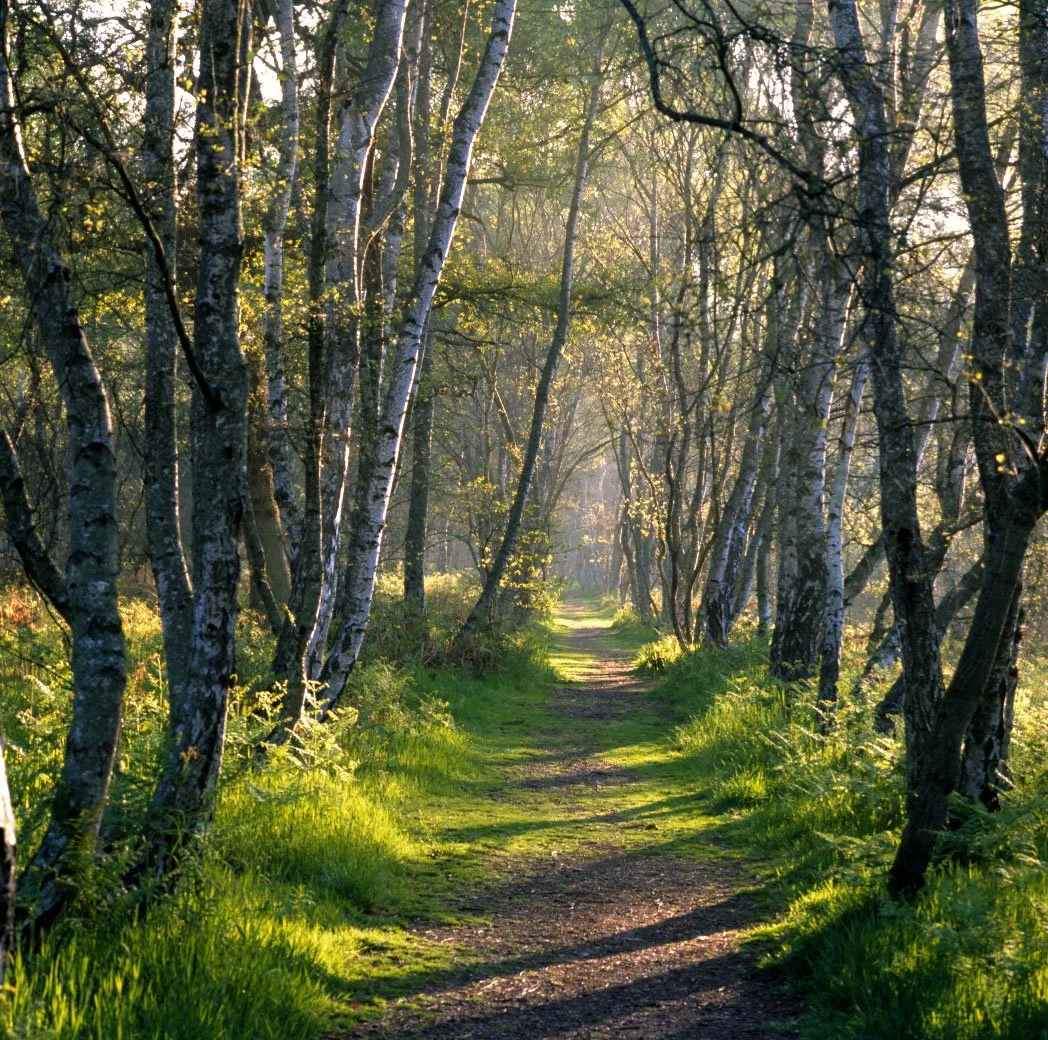
Travel deep into England’s green heart and you will find the ceremonial county of Nottinghamshire. Here lies a nature reserve of more than a thousand acres - a remnant of something far older - a place known as Sherwood Forest.
Though greatly reduced today, this mighty woodland once covered a quarter of Nottinghamshire and cast its leafy shadow into neighbouring counties. In ages past it was known as Sciryuda - “the woodland belonging to the shire” - or, the shire (sher) wood of Nottinghamshire.
Within these ancient tracts of forest, beneath bough and birdsong, tradition tells of one of England’s greatest folk heroes: Robin Hood.
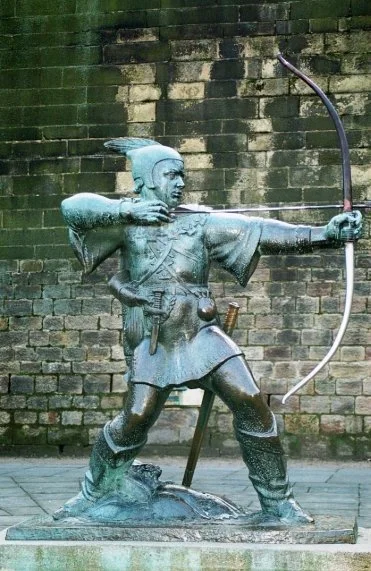
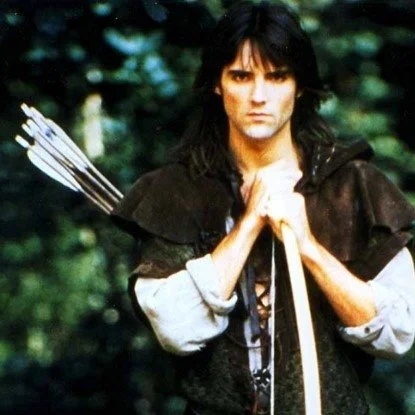
For more than six centuries, Robin has been bound to this landscape. An outlaw of the medieval world, he is said to have robbed the rich to give to the poor, outwitted corrupt officials, and stood against injustice with his longbow in hand. Yet whether he was a living man of flesh and blood, a composite of several wandering outlaws, or merely a figure woven from the songs of travelling minstrels remains a matter of debate.
Curiously, the name “Robin Hood” - or “Robin Hode” - appears in medieval legal records as a term for an unnamed criminal, much as “John Doe” is used today in America. Even then, the name had already begun to slip into myth.
The earliest surviving ballads date to the fourteenth and fifteenth centuries, among them:
A Gest of Robyn Hode
Robin Hood and the Monk
Robin Hood and the Potter
In these early tales, Robin is a yeoman - a skilled commoner with a strong moral code, loyal to the “good old ways”, hostile to greedy churchmen and corrupt sheriffs, and fiercely protective of his band.
Around him gathered the Merry Men - companions as memorable as he himself:
Little John, towering and steadfast, his strength matched only by his loyalty.
Friar Tuck, boisterous and red-cheeked, fond of food and drink, yet not scared to a fight with is staff.
Maid Marian, a later addition to the legend, Robins true love, who has grown in modern tellings into a figure of courage and quiet resolve.
Will Scarlet, hot-blooded and quick to anger, clad in scarlet cloth as bright as autumn leaves.
Set against them stand the figures of authority: the Sheriff of Nottingham, the embodiment of corrupt rule; Sir Guy of Gisbourne, his ruthless right hand man; and, in later retellings, the grasping Prince John.
It was Sir Walter Scott’s 1819 novel Ivanhoe that reshaped Robin into a dispossessed nobleman - a Saxon lord driven into the greenwood by Norman oppression. This romantic vision took root, and from it grew the Robin many recognise today.
Across Britain, the legend has left its mark upon the landscape. Caves, wells and cliffs bear his name:
Robin Hood’s Stride in Derbyshire - twin rocks said to mark the place where the hero made a single impossible leap.
Robin Hood’s Bay on the Yorkshire coast - a village with a history of smuggling that later became entwined with the outlaw’s tale.
Robin Hood’s Well near Fountains Abbey in Yorkshire - some traditions place Robin’s origins in Loxley near Sheffield, and in these versions his adventures unfold in Barnsdale rather than Sherwood. The ballad Robin Hood and the Curtal Friar connects Robin with this fountain, which may explain the naming of the spring where the well was later constructed.
Robin Hood’s Grave is a monument in Kirklees Park Estate, West Yorkshire, near the ruins of Kirklees Priory. It is traditionally said to mark the burial place of the English folk hero, who, according to legend, was poisoned by the Prioress, whilst he was recovering from his wounds there. It is here that some claim to have glimpsed his ghost lingering in the surrounding woodland at twilight, bow in hand.
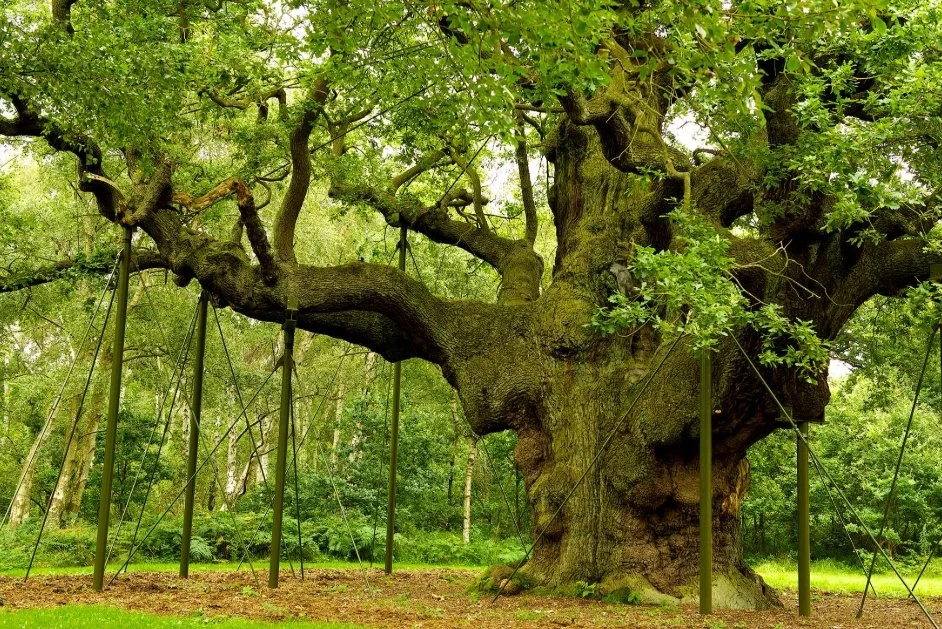
Perhaps the surest way to feel the spirit of the old legend is to visit the great Major Oak in Sherwood Forest. One of Britain’s most venerable trees, it is believed to be around a thousand years old, a truly ancient woodland king.
To stand beneath its summer canopy and hear the wind stir its leaves and the birds calling between its branches is, for a moment, to feel oneself drift from the modern world and become one with something ancient and wild.
Thank you for taking the time to read my blog. I hope you have enjoyed this old English legend.
If you enjoy my work, please consider picking up a copy of Threads of Shadow or Fireside Horror - folkloric horror collections told through short stories, available on Amazon stores worldwide. Links to the UK and US editions are below.
Until next week -
Stay spooky.
Sharon Joy Reads
“Exceptional folkloric horror”
★★★★★
Sources
Wikipedia
discoverbritain.com
mythencyclopedia.com
International Robin Hood Bibliography
visitsherwood.co.uk