The Gwyllgi of Wales: The Terrifying Hound of Welsh Folklore
The little market town of Ruthin sits in the county of Denbighshire, in north-east Wales, within the charming Vale of Clwyd. The town’s name derives from rhudd (‘red’) and din (‘fort’), a reference to the colour of the sandstone bedrock from which the castle was built in the thirteenth century.
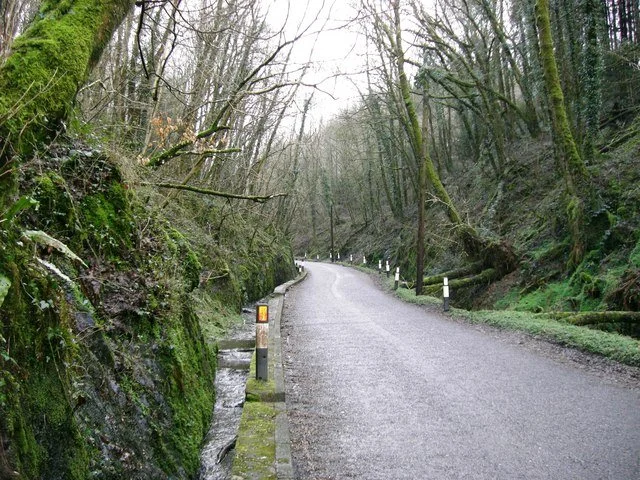
A road runs from this old settlement, an ancient route connecting the town to Wrexham in the east. Today it is known as the A525, though no doubt it has borne many other names, now lost to time. It is an important road, a lonely road, and one said to be trodden by a horrifying thing: the Gwyllgi.
I have little doubt, my friend, that travellers of old - particularly those making the journey on foot - would have journeyed in pairs, such was the fear attached to a certain stretch of this highway. At its most desolate point, the road runs through the Nant y Garth Pass, a steep-sided wooded valley following the course of the Nant y Garth stream, and it is in this isolated place that the Gwyllgi is said to haunt.
Tradition says the Gwyllgi appears as the dreadful apparition of a great mastiff or black wolf, with foul breath and flaming red eyes. It is a cousin to the phantom black dogs that roam England’s twilight lanes - the likes of Black Shuck in East Anglia and the Skriker in Lancashire.
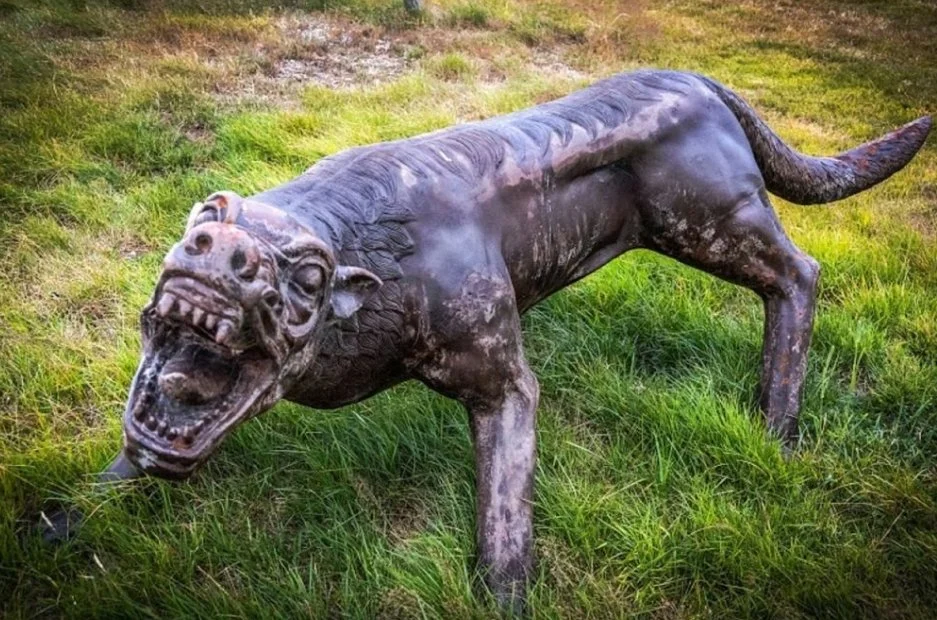
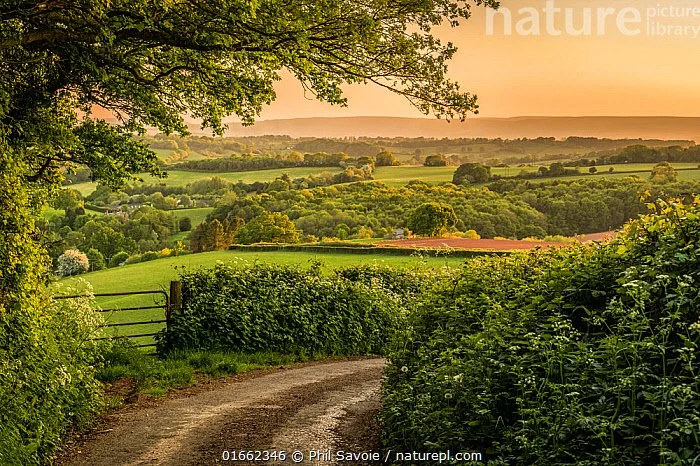
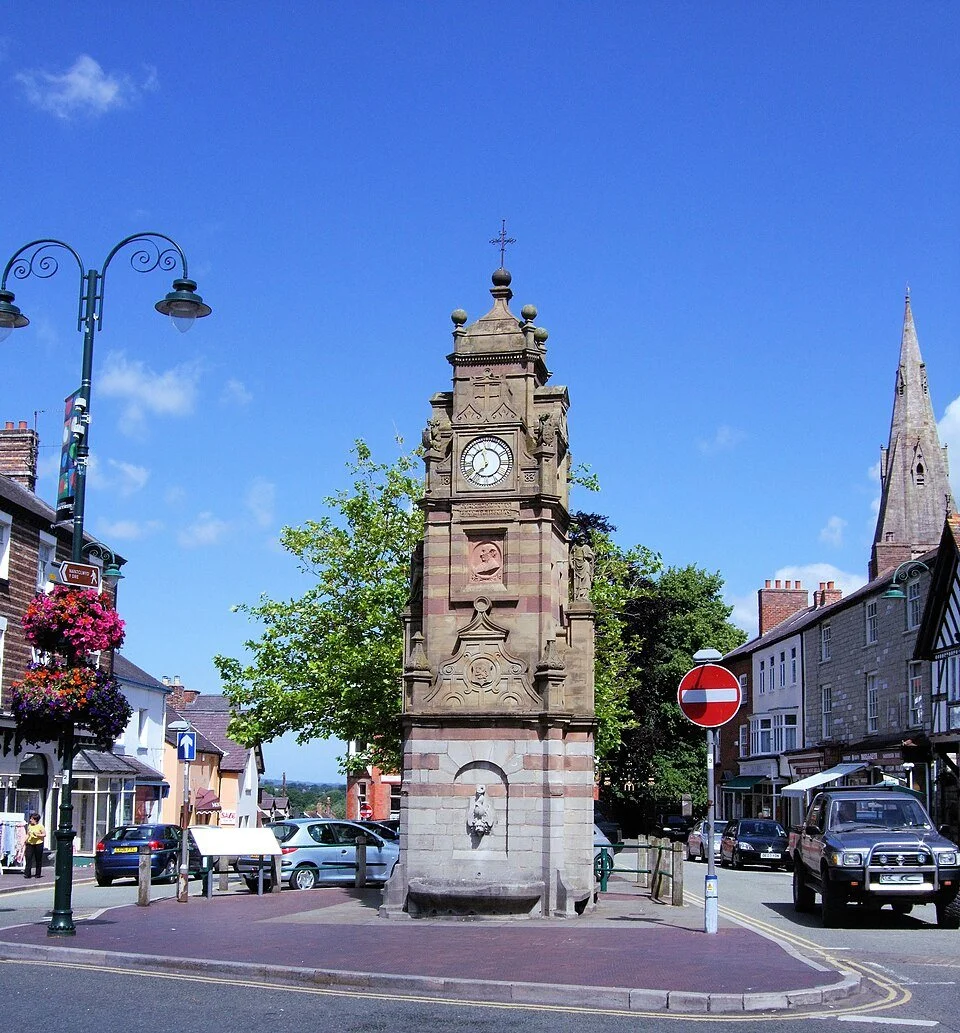
One account of an encounter with this horrific hound was recorded by T. Gwynn Jones in Welsh Folklore and Welsh Folk-Custom (1930). In his book, he recounts a tale told to him by his grandmother. Apparently, when she was much younger, she and her husband had been riding near Ruthin. She had ridden a little ahead of her spouse when her horse suddenly became nervous. Moments later, she noticed “a huge mastiff with glowing red eyes” standing in the road before her. Sensing her distress, her husband - who I assume was the author’s grandfather - rode up to assist her. Together, they eventually managed to calm the horse. The woman claimed she watched the black hound run down the path and vanish into the gloom, though her husband insisted he had seen nothing at all.
These creatures appear throughout Wales. There is, for instance, a reputedly haunted lane leading from Mousiad to Lisworney Crossways, where locals report seeing a shadowy hound with flaming eyes. Another is said to have been sighted in a field called Cot Moor, and a third near the pit at Pant y Madog, close to Laugharne.
One such beast, described as being larger than a young steed, was said to stand guard over the flock of sheep grazing outside the lands of Yspaddaden Pencawr. Its breath was thought to have scorched the plain bare, burning the foliage to ash.
Like its English cousins, the Gwyllgi was also seen as a portent of doom — an omen of death soon to come within the witness’s community. Quite aside from its terrifying appearance, it is easy to understand why places said to be haunted by such beasts were avoided wherever possible.
So, should you find yourself wandering down a lonely Welsh lane at twilight, and you see a dog standing in the shadow of a hedgerow, do not be tempted to approach it. Do not offer it a treat, and most certainly do not try to pet it. It may be a Gwyllgi - and if it is, losing an arm may be the least of your worries.
Thank you for taking the time to read my blog. I do hope you enjoyed it. If so, and you would like to support me, please consider purchasing a copy of my new audiobook, Threads of Shadow, wonderfully brought to life by Mark Adams, available on Amazon and Audible.
Stay spooky.
Available on Amazon and Audible