Know your Goblins: The Spriggan
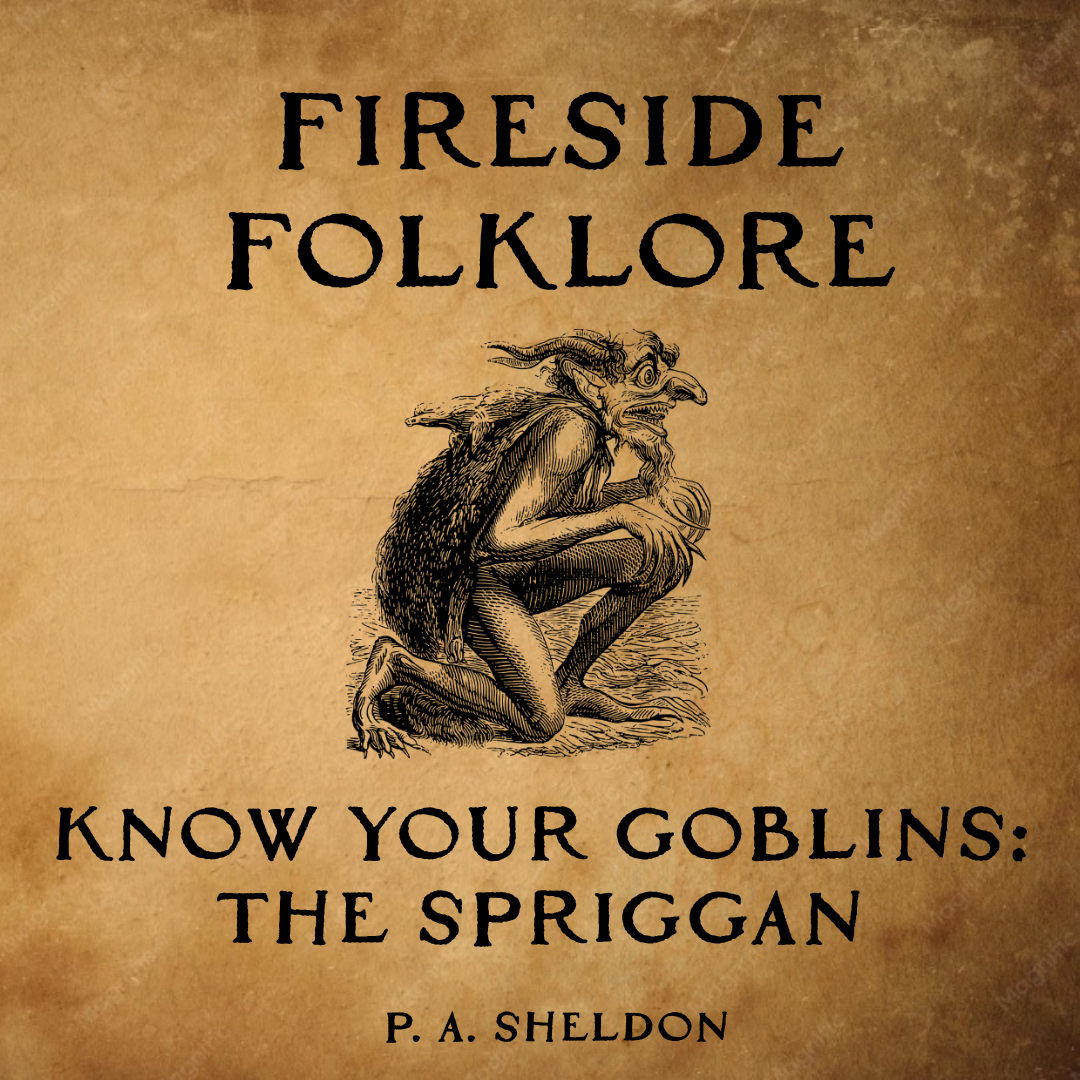
“What the bleedin’ heck is that thing?” I hear a worried voice cry out.
“Know your goblins,” comes the very sensible reply.
And so once more I find myself in my old library, attempting to identify a particularly unpleasant member of the goblin genus: the Spriggan. Read on, dear friend, and let us learn of this troublesome little terror.
Deep within Cornwall — that wild realm where a wanderer will encounter moorland, ancient woodland, and, if they journey far enough, eventually reach the vast ocean — there is a place called the Hayle Estuary. It is one of the few natural harbours on Cornwall’s north coast. A place that has long been important for trade and movement, with evidence of settlement dating back to prehistory.
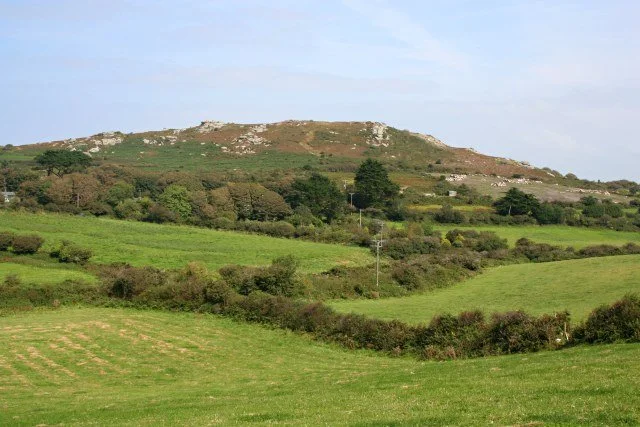
One such settlement is Trencrom Hill, which eventually developed into an Iron Age hillfort and looks out over the estuary. The hill was recorded as Torcrom in the 18th century, derived from the Cornish “torr crobm”, meaning “hunched bulge”. Doubtless, many legends and stories have circulated around this place over the years, but today we are interested in one particular tale: that of the Spriggan.
Our friend the Spriggan is described as a grotesquely ugly, wizened old chap with a large, childlike head. They are small in stature, but are strangely thought to be the ghostly forms of an ancient race of giants who once made Cornwall their home. In one tale collected by the antiquarian Robert Hunt in the 19th century, the Spriggan is said to swell to an enormous size when angered or threatened. It was Hunt who first recorded this goblin as being linked with Trencrom Hill in local tradition.
Spriggans were notorious, and the places they were thought to inhabit would no doubt have been avoided after nightfall. They were said to kidnap children and leave changelings in their place, so parents were warned to look out for a sudden, dramatic change in a child’s personality. They were guardians of ancient treasure and would violently attack any person they suspected of grave robbing or treasure hunting. Their list of crimes is considerable: they were also blamed for raising storms, blighting crops, and leading unsuspecting travellers astray. In fact, I am sorry to say I cannot find one positive thing to say about these little blighters.
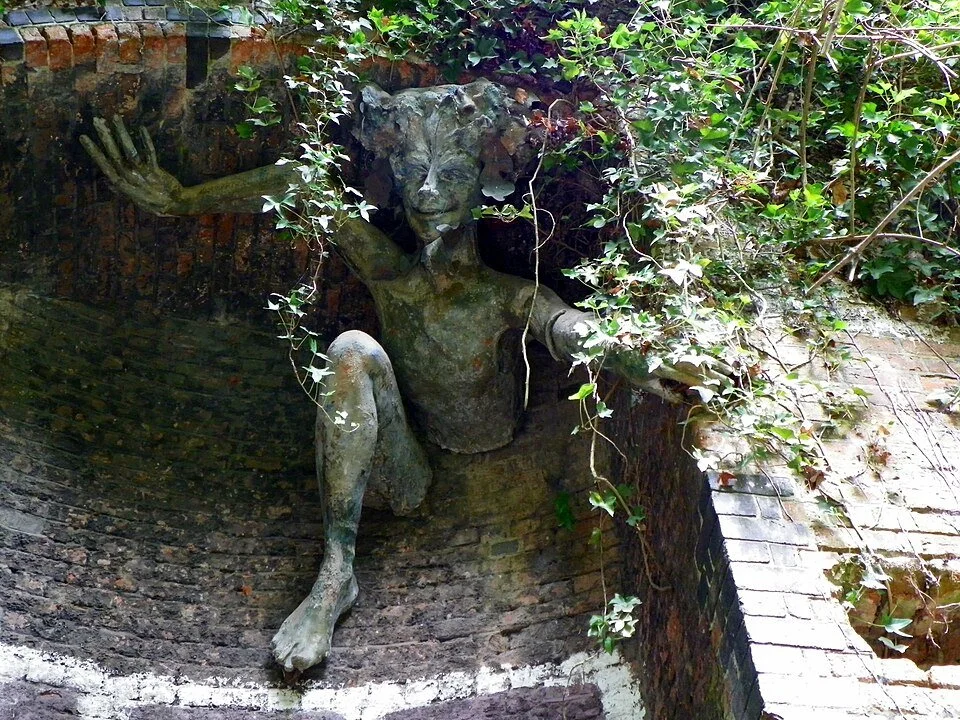
A sculpture of the Spriggan was created by Marilyn Collins and installed in Crouch End Park in London in 1993. It is an impressive sight: a horned being seeming to step up out of the very earth. It is sometimes mistaken for the old god Pan.
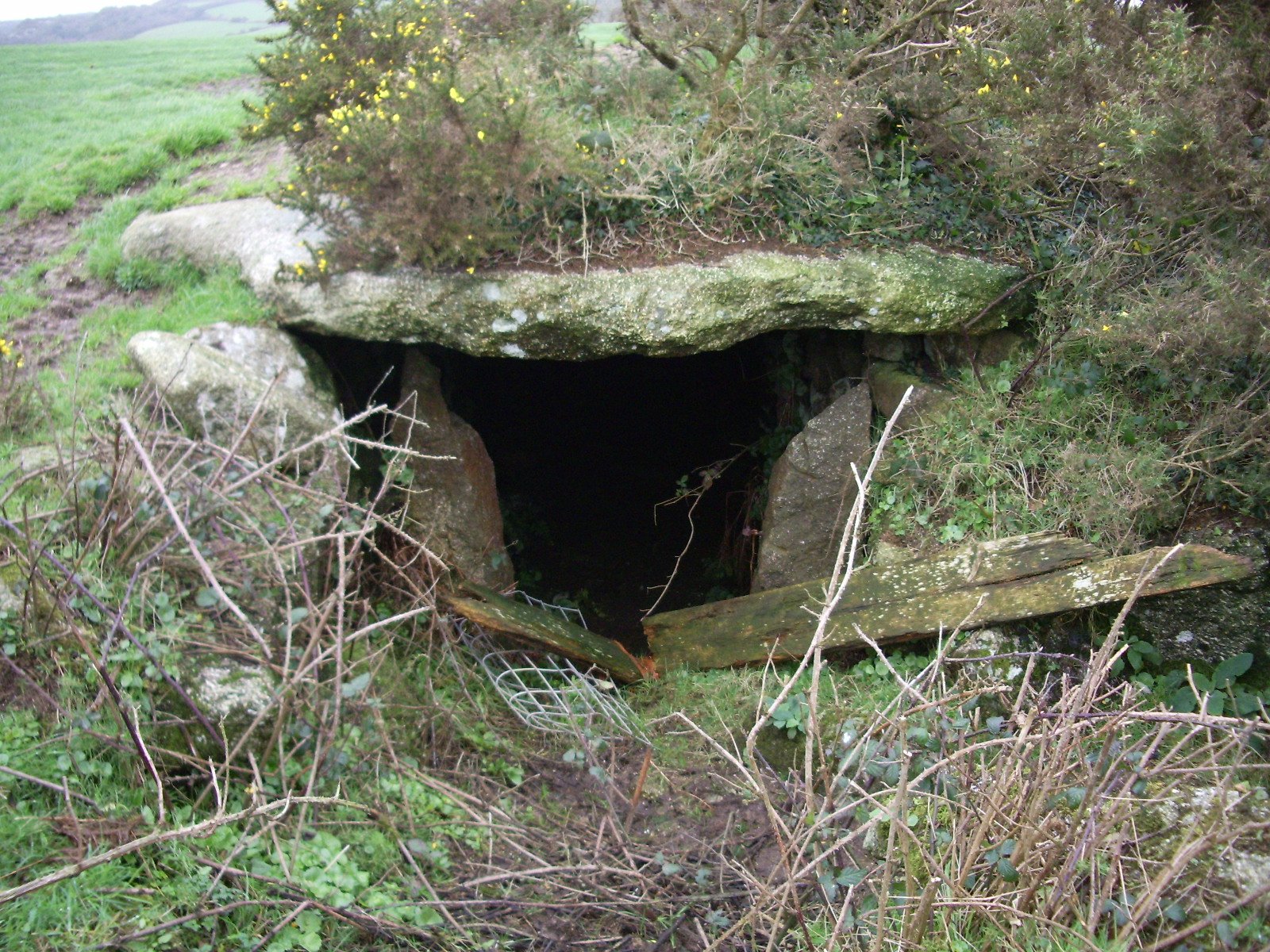
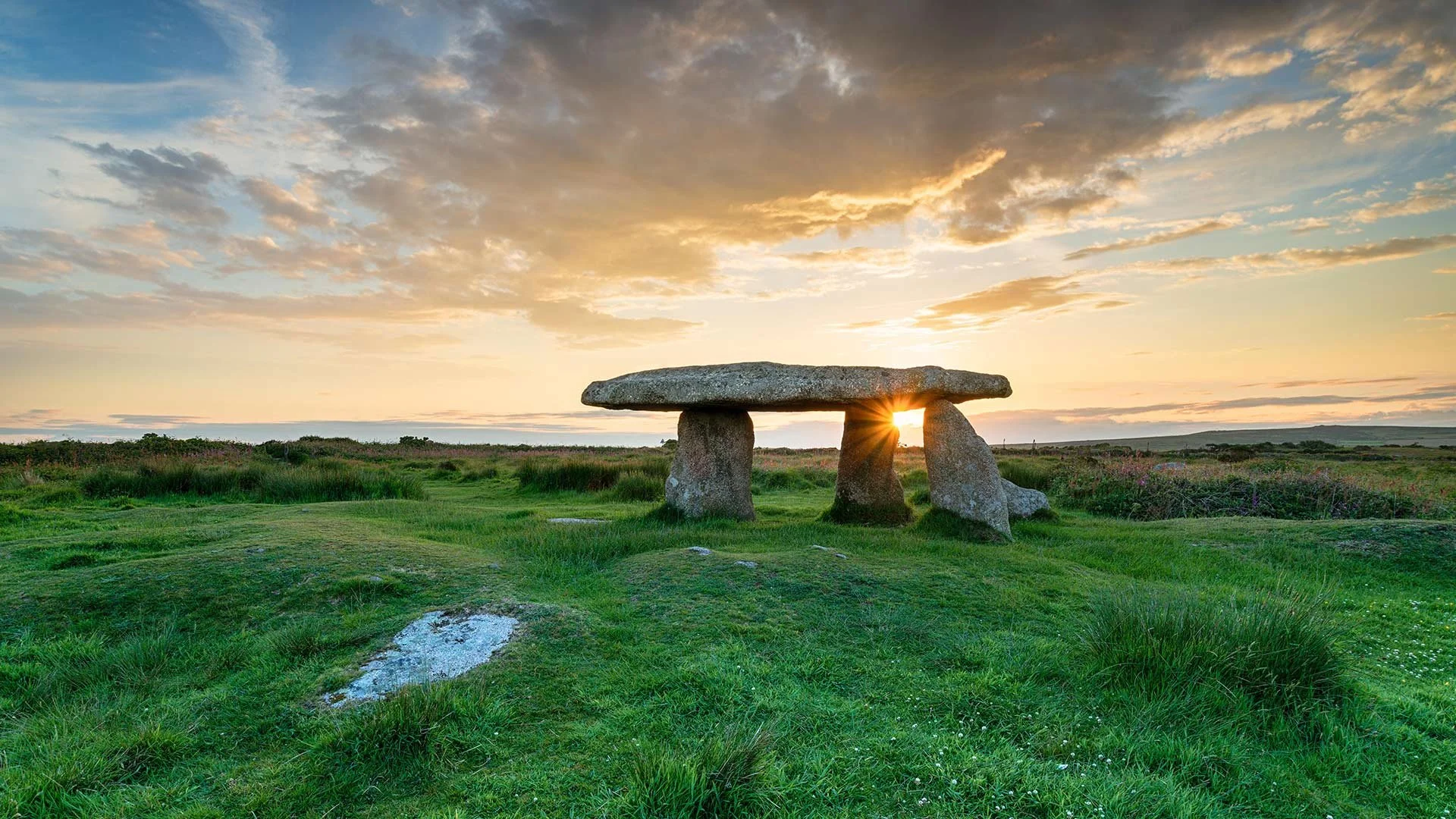
Whilst Trencrom Hill is their most famous residence, stories of these size-altering pests can be found in many parts of Cornwall. They are usually thought to dwell in prehistoric barrows, cromlechs, stone circles, and old moorland ruins. So be warned.
Thank you for taking the time to read my blog. I do hope you enjoyed it. If so, and you would like to support me, please consider purchasing a copy of my new audiobook Threads of Shadow, wonderfully brought to life by Mark Adams, available on Amazon and Audible.
Stay spooky.