The Leprechaun: The Mysterious Trickster of Irish Folklore
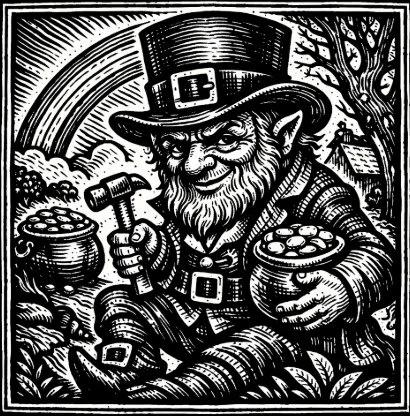
The Leprechaun - with his precious gold.
Ireland is an ancient land with many different legends. Tales of heroes, monsters and phantoms can be found throughout the Emerald Isle, but if there is one mysterious entity who captures the spirit of the place and has become most closely associated with it, then that is Leprechaun.
The Leprechaun is rarely mentioned in early Irish mythology and only becomes prominent in later medieval folklore. The name likely derives from the Irish “leipreachán”, meaning “a small-bodied fellow”. They are a mischievous kind of fairy, often depicted as shoemakers, and famously associated with a pot of gold - a later addition to the legend - usually said to be located at the end of a rainbow. Leprechauns were believed to hide their treasure where it could never be found; hence the rainbow, which has no true ‘end’.

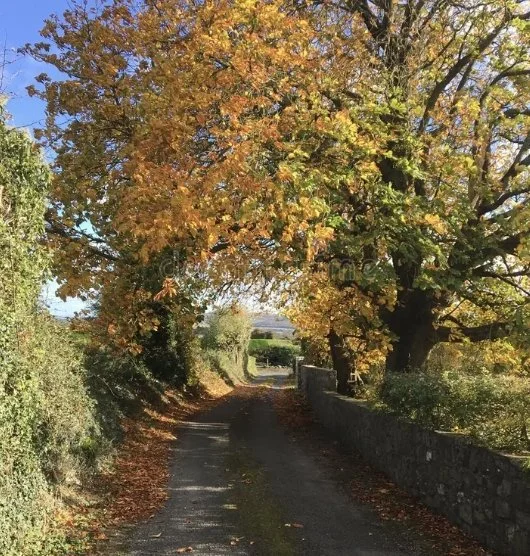

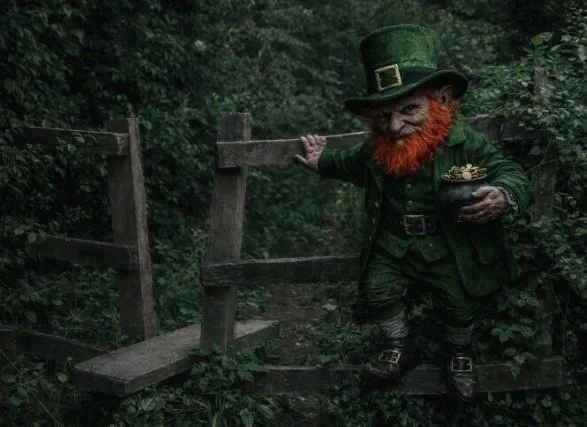
They are said to lead solitary lives in remote rural areas, often dwelling in underground caves or hollow trees, preferring to remain hidden from humans. Modern depictions describe them as short - usually around two to three feet tall - with bright reddish-orange facial hair. They wear a green coat and a top hat, the later often perched at a jaunty angle, while their boots and belts are adorned with brightly polished metal buckles. They are believed to be cunning, possessed of a sparkling wit, and fond of tricks and riddles.
However, in older stories these diminutive troublemakers are described somewhat differently. According to D. R. McAnally, the leprechaun is the son of an “evil spirit” and a “degenerate fairy” and is “not wholly good nor wholly evil”. He goes on to describe a very dapper little chap:
He is about three feet high, and is dressed in a little red jacket or roundabout, with red breeches buckled at the knee, grey or black stockings, and a hat, cocked in the style of a century ago, over a little, old, withered face. Round his neck is an Elizabethan ruff, and frills of lace are at his wrists.
Older versions also provide him with a leather apron, as he was considered a master shoemaker.
There are few accounts of people claiming to have encountered these pint-sized pranksters, but one or two tales persist. Perhaps the most famous comes from County Kerry in the eighteenth century. A local fisherman claimed to have caught a leprechaun while fishing. The fairy promised to reveal the location of his treasure if released. This story reflects the common narrative surrounding leprechauns and their legendary gold.
A more modern sighting allegedly occurred in Dublin in 1989, when a family reported observing a small figure darting behind a tree in an urban park. They described it as wearing a green suit and hat and claimed that, upon approaching, it vanished into thin air - fuelling rumours of these strange beings in contemporary society.
Today, the Leprechaun is most likely to be encountered in cartoons, films and advertising, and is strongly associated with St Patrick’s Day, 17 March - the traditional death date of Saint Patrick, the foremost patron saint of Ireland.
I do hope you have enjoyed today’s blog, my friend. Please consider picking up a copy of Threads of Shadow - a folkloric horror novel told through short stories, available on Amazon stores worldwide. Links to the UK and US editions are below. Or search P A Sheldon.
Until next week -
Stay spooky.

Sources
Wikipedia
aprilroane.com/post/leprechauns-legends-sightings-and-cultural-beliefs
yourirish.com/folklore/legend-of-leprechauns
#leprechaun #folklore #Irishmyth #stpatricksday